

A vaginal yeast infection also known as vulvovaginal candidiasis is a type of fungal infection. Candida overgrowth is the prime cause of vaginal yeast infections. This condition results in severe itching, discharge, and irritation of the vulva (the skin folds outside the vagina) or the tissues that surround the vaginal entrance.
A vaginal yeast infection is common in most women. This gynecologic ailment affects around three out of every four women at some point in their lives. This issue necessitates medical attention, so do not self-diagnose or use medication without seeing a doctor.
To know more about the symptoms, causes, and a few potential home cures for vaginal yeast infections continue reading this article...
Signs and Symptoms of Vaginal Yeast Infection
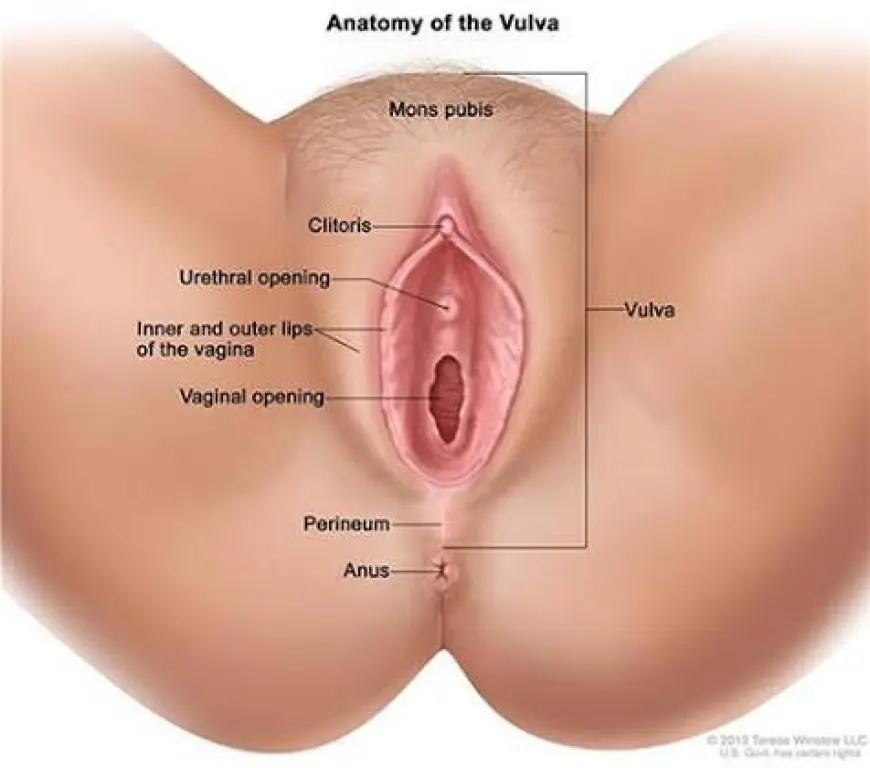
Yeast infections in the vagina can have the following signs and symptoms:
- Vaginal inflammation and itching
- Vaginal rash
- Irritation, edema, or redness in the vulva
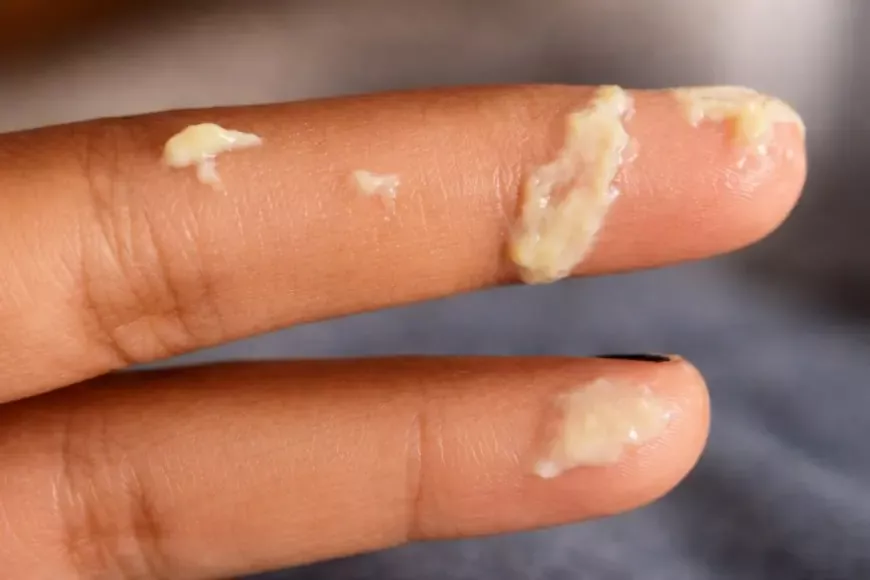
- A thick, white discharge that resembles cottage cheese
- A burning sensation when passing urine or having sex
Cause of Vaginal Yeast Infection
The vagina consists of a balanced environment of healthy bacteria and yeast cells. But when this equilibrium is upset, yeast cells proliferate, causing overgrowth of the fungus Candida.
Several reasons can actually disrupt the vaginal pH balance and lead to this infection. Some of them are:
- Uncontrolled diabetes
- Use of antibiotic drugs (often used to treat urinary tract infections)
- Hormonal contraceptives or other types of contraception cause an imbalance
- Pregnancy
- Anxiety
- Insufficient sleep
- Compromised immune system
- Sexually active women (it is not a sexually transmitted disease)
How to Prevent Yeast Infection
We have learned so far that a yeast infection can result from anything that alters the chemical equilibrium of your vagina. Also, one could be allergic or sensitive to certain materials, products, or activities. With a few simple lifestyle adjustments, vaginal yeast infections can be prevented.
To keep this annoying infection at bay, you must:
- Avoid tight-fitting underwear and wear cotton undergarments. Change your undergarments daily.
- Avoid douching, as it can eradicate the good bacteria that genuinely govern fungi. Washing your genitals with mild, unscented soap or just plain water is the healthiest way to clean.
- Avoid using scented pads or tampons.
- Change sanitary products frequently during your period to lower your risk of vaginal infection since yeast thrives in moist areas.
- Change out of wet clothing such as gym attire or bathing suit as soon as possible to prevent a moist environment for the fungus growth.
- Check if you are allergic to any spermicides or sexual lubricants.
- Manage your blood sugar levels if you have diabetes.
- Use antibiotics only when you have to. Antibiotics can alter the vaginal environment by killing good bacteria.
Home Remedies or treatment to Cure Yeast Infection
A yeast infection may be treated using a variety of homemade remedies, such as:
1) Tea tree oil: Tea tree oil may be useful as a natural antifungal and antibacterial agent, according to several studies. It may be beneficial to use tea tree pessaries, which are medicinal capsules placed into the vagina, or to add tea tree oil to the bath.
2) Coconut oil: The oil made from fresh coconut flesh has many uses, owing to its anti-viral, anti-fungal, and anti-bacterial qualities. It is especially important when treating vaginal infections. Rich in nutrients, coconut oil relieves dry, irritated, and inflamed skin while also preventing the growth of bacteria or fungi in the vaginal area.
Apply a little amount of coconut oil to the affected region and massage it gently. Let it sit for 30 minutes. Rinse with cold water. Twice a day, carry out this treatment for a week to get rid of the Candidiasis.
3) Probiotics: Good bacteria or probiotics help prevent vaginal yeast infections by replenishing good microorganisms. As a result, your doctor may advise taking probiotic capsules, eating yogurt, etc. Occasionally, your physician may recommend vaginally applied or internally administered probiotic lotions.
4) Garlic: Garlic is an established antibacterial and antifungal and has exhibited significant antifungal activity against candida albicans. A vaginal cream with garlic and thyme is as successful in treating yeast infections as clotrimazole vaginal cream.
5) Boric acid: Vaginal boric acid capsules possess antifungal and anti-inflammatory qualities. The Centers for Disease Control (CDC) advises taking a 600 mg capsule twice a day. For relief, you can also apply a diluted boric acid pill to the exterior of the vulva. Boric acid should be avoided by pregnant women with a yeast infection.
6) Over-the-counter medication: For the treatment of yeast infections, antifungal creams, and pessaries are available over-the-counter with or without a prescription. Studies have shown that internal and oral antifungal medications are similarly effective in treating vaginal yeast infections.
Depending on the product, it can be used internally or externally to treat infections. These include:
- Single, one-time application
- Three-day application
- Seven-day application
Note: The length of treatment depends on the severity of the infection. Consult your healthcare provider for the same.
When to See a Doctor
See your doctor if you are:
- Experiencing symptoms of a yeast infection for the first time.
- Unsure of a yeast infection and a medical diagnosis is necessary.
- Pregnant
- Having severe yeast infection or there are fissures or sores
- Having recurrent infections, appearing four or more times a year
- Dealing with any underlying medical conditions like diabetes or a weakened immune system
A vaginal yeast infection is a common occurrence for most women. It can cause thick, white discharge, burning, inflammation, and itching in the vagina. Although treating yeast infections is not difficult, it's still crucial to consult a doctor if you suspect having an infection. They can advise you on the best course of action, depending on the intensity of your yeast infection. If a vaginal infection is left untreated, there is a possible risk of a systemic infection that might spread to other organs.
















![The Secret: Reloaded v0.4.5a Download for Android/PC - Mary's Routine][Aorrta]](https://www.socialykeeda.com/uploads/images/202312/image_140x98_657ba5176d40c.webp "The Secret: Reloaded v0.4.5a Download for Android/PC - Mary's Routine][Aorrta]")